
How to Clean a Butter Squishy (Without Ruining the Slow-Rise Foam)
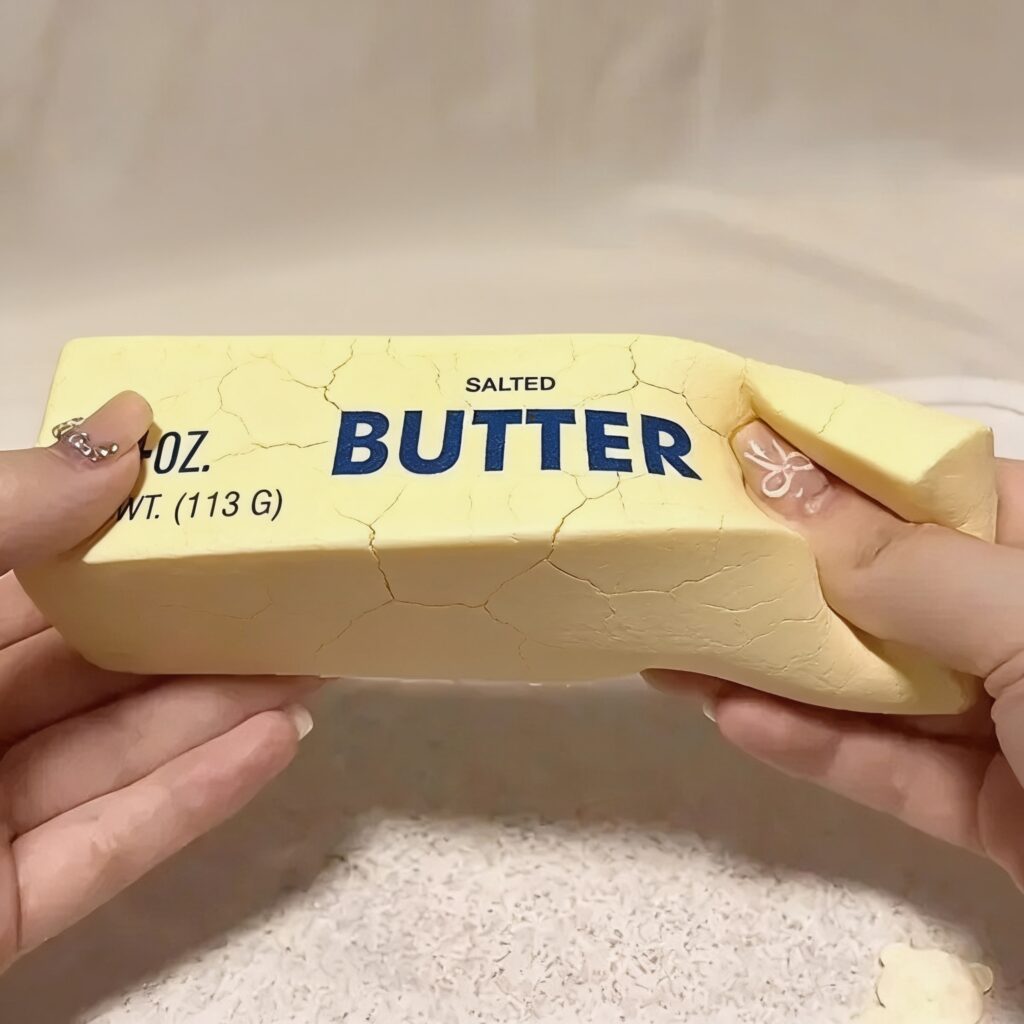
For a PU foam butter squishy, wipe it with a soft, slightly damp cloth and a touch of mild soap if needed. Never submerge it, machine-wash it, or use alcohol or bleach. Let it air-dry fully away from direct heat before squeezing or storing it again, since trapped moisture can break down the foam.
That’s the short version. If you searched how to clean a butter squishy because a quick wipe didn’t feel like enough, the longer version below covers what actually happens inside the foam when you get it too wet, how to handle a stubborn stain without leaving a bigger mark than you started with, and when a squishy is too far gone to keep using.
- What Do You Need to Clean a Butter Squishy?
- How Do You Clean a Butter Squishy Step by Step?
- What Should You Never Use on a Butter Squishy?
- How Do You Get Rid of a Stain or Odor?
- How Do You Store a Butter Squishy Between Uses?
- When Should You Just Replace It?
What Do You Need to Clean a Butter Squishy?
Cleaning a butter squishy properly takes almost nothing: a soft cloth (microfiber or an old cotton t-shirt both work), a small bowl of lukewarm water, and a drop of mild, unscented dish soap for anything soap alone won’t lift. That’s it. You don’t need a specialized cleaner, a magic eraser, or anything marketed specifically for toys or foam.
Most designs in this shop use polyurethane (PU) foam, but the Translucent is moldable gel and Cheese uses TPE. This guide concerns gentle surface cleaning of PU foam. Follow the exact listing first, and contact us if the material or care instructions are unclear.
Test a barely damp cloth on a small, less visible area first, especially on printed or coated finishes. Stop if color transfers, the surface changes or a seam opens. A scented product is not necessarily fragrance-free after cleaning; do not use washing to try to remove an ingredient you need to avoid.
How Do You Clean a Butter Squishy Step by Step?
For routine dirt, dust, or light handling marks, use this conservative surface-cleaning sequence for PU foam, following the product-specific instructions first:
- Dampen a soft cloth with lukewarm water and wring it out until it’s barely damp, not wet.
- Wipe the surface gently in one direction rather than scrubbing back and forth, working over the whole squishy even if only one spot looks dirty.
- Add a drop of mild soap to the cloth only if a specific mark doesn’t lift with water alone, then wipe that spot again.
- Wipe again with a clean, barely-damp cloth to remove any soap residue left behind.
- Pat the surface dry with a dry towel to remove surface moisture before air-drying.
- Air-dry completely on a towel, out of direct sunlight, before you squeeze, handle, or store it again.
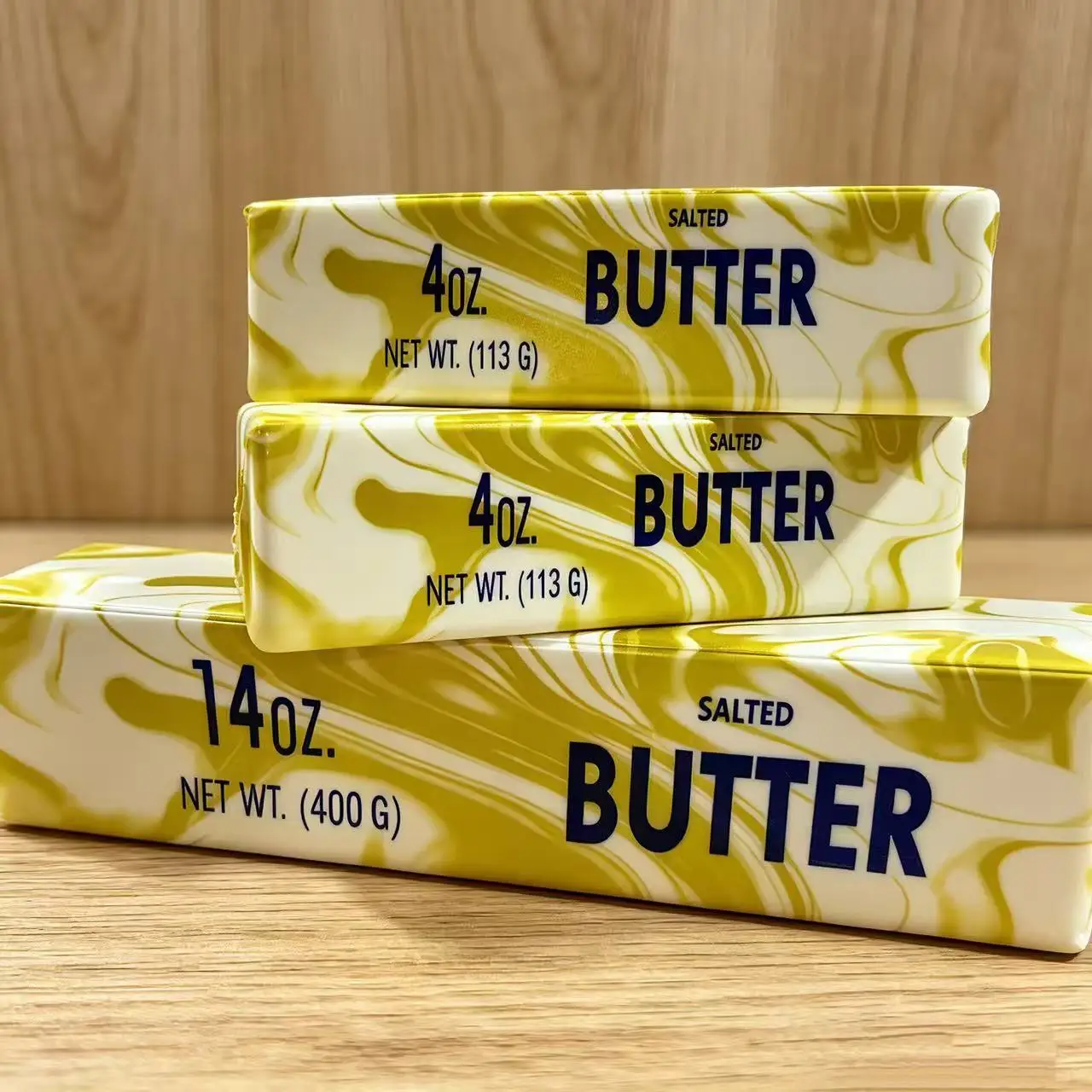
Let the surface dry before handling or storing it. Do not use extra water to speed cleaning, and follow the instructions for the specific material. This guide primarily concerns PU foam; gel and TPE designs should not be treated as though they have a foam interior.
What Should You Never Use on a Butter Squishy?
Most squishy damage isn’t caused by normal use. It’s caused by a cleaning method borrowed from a different material that doesn’t transfer well to slow-rise PU foam. Skip all of the following:
- Submerging it in water or running it under a tap, which soaks the interior foam far beyond what a surface wipe would
- Washing machines or dishwashers, which combine water, agitation, and heat in the worst possible combination for foam
- Bleach, rubbing alcohol, acetone, or nail polish remover, which can discolor the coating or break down the foam structure itself
- Direct heat sources such as a hair dryer, radiator, or clothes dryer to speed up drying
- Hard scrubbing with an abrasive sponge or brush, which can tear the outer coating and expose the foam underneath
None of these are dramatic, one-time mistakes. They’re the kind of thing that seems reasonable in the moment (a fast rinse under the faucet, five minutes on a warm radiator to speed up drying) and only shows up as a problem afterward, when the squishy stops rising the way it used to or starts smelling musty from trapped moisture.
How Do You Get Rid of a Stain or Odor?
For a visible mark, patience matters more than product strength. Apply a small amount of diluted mild soap directly to the stain, let it sit for a minute or two, then wipe with a barely damp cloth and check the result before repeating. Pressing too hard or repeating the process too many times in one session risks pushing the mark deeper into the foam rather than lifting it out.
For a mild new-product odor, leave the item in a dry, ventilated place out of direct sunlight. If the smell is strong, irritating or mildew-like, stop using it and contact the seller. We cannot identify its cause or guarantee that airing it out will make the product suitable for someone with a sensitivity.
Dark or greasy marks, the kind left by pen ink or actual food handling, respond the same way as any other stain: a little soap, a light touch, and patience over several short passes rather than one aggressive scrub. Ink in particular can spread if you press too hard with a wet cloth, so dab rather than rub, and stop as soon as the mark stops lifting further, even if a faint trace remains. A faint shadow is a far better outcome than foam that’s been scrubbed thin in one spot.
How Do You Store a Butter Squishy Between Uses?
Storage is where a lot of preventable damage actually happens, since it’s easy to toss a squishy in a bag or drawer without thinking about it. Use these storage habits and inspect the item regularly:
| Do | Don’t |
|---|---|
| Store it at room temperature, out of direct sun | Leave it on a sunny windowsill or in a hot car |
| Let it fully air-dry before putting it away | Seal a damp squishy inside a bag or box |
| Keep it away from pets and anyone who chews on objects | Leave it within reach of a teething pet |
| Wipe off dust occasionally if it’s a display or shelf piece | Let heavy dust build up and grind in with normal handling |
Sunlight and heat are worth repeating on their own, since both cause more long-term damage than most people expect. Direct sunlight can fade the finish, and heat can affect how quickly the foam rises after a squeeze. A squishy that’s spent a summer on a car dashboard will not behave the same as one that’s lived on a desk indoors, regardless of size.
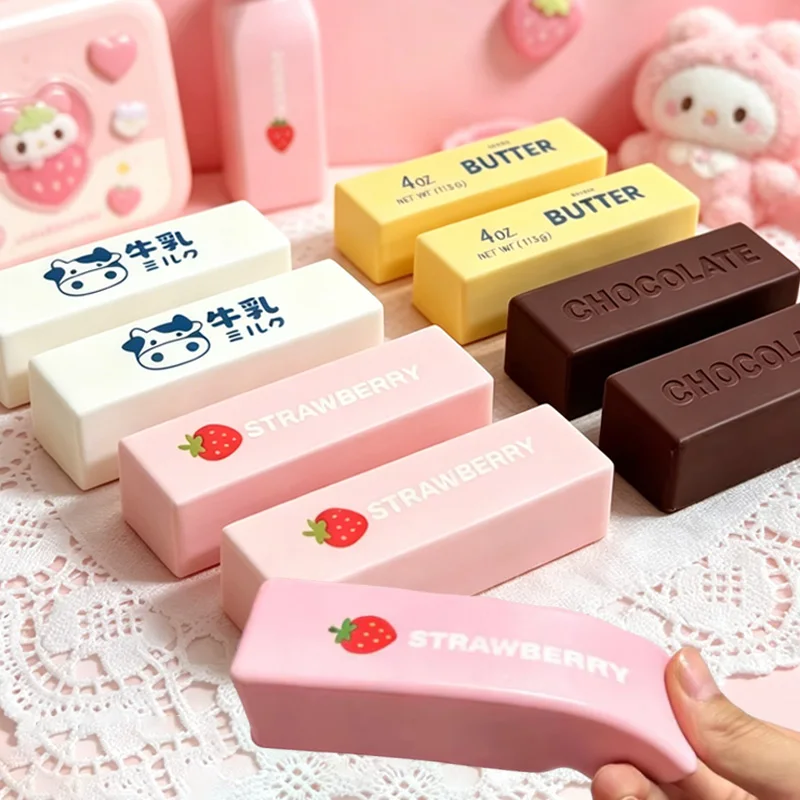
Bags are a common trouble spot. Tossing a squishy into a backpack alongside keys, pens, or a water bottle exposes it to pressure points and stray moisture it wouldn’t get sitting on a desk. A small pouch or a dedicated zip pocket protects the finish far better than loose contact with everything else you’re carrying.
When Should You Just Replace It?
Not every mark is worth fighting. If a squishy tears, splits or starts crumbling, stop using it and keep it away from young children and pets. Cleaning does not repair structural damage. If it arrived damaged, contact us under the Return Policy rather than continuing to use it.
There is no guaranteed lifespan stated for these products. Inspect the surface during normal use and follow the listing’s care instructions. We have not run or published durability testing, and careful cleaning cannot establish whether a damaged item is safe to keep using.
If you’re shopping for a replacement or your first one, our 4oz classic collection and Jumbo 14oz product cover two different formats, and our FAQ page has quick answers on materials, scent, and safe age range if you want the short version of everything on this page.
For more on what’s actually inside the toy and how the sizes compare, see our guides to what a butter squishy is and how big they get. And if you’re still comparing where to actually buy one, our buying guide covers Target, Five Below, Walmart, and ordering online.